
Delaware's Telephone Solicitation Act protects residents from unwanted phone solicitations, especially robocalls, through the Do Not Call list. Residents can register numbers online, by mail, or over the phone. Businesses cannot call without prior relationship or explicit consent. Robocall issues are prevalent in Camden; federal and state laws like TCPA offer protection. To combat robocalls: use blocking apps, review logs, report callers, and consult a Do Not Call Attorney Delaware for legal guidance and action against persistent violators.
In today's digital age, unwanted phone calls have evolved into a significant nuisance for many Camden, Delaware residents. The proliferation of robocalls and persistent telemarketers has led to the implementation of "Do Not Call" laws, designed to protect consumers from relentless sales pitches. However, understanding these laws and your rights is crucial. As a concerned citizen and a Do Not Call Attorney Delaware, we aim to demystify this process, offering clear guidance on navigating these regulations effectively. This article provides an in-depth look at do-not-call rules, empowering residents with knowledge to curb robocalls and ensure their privacy.
Understanding Do Not Call Laws in Delaware

In Delaware, as across the nation, Do Not Call laws are designed to protect residents from unwanted phone solicitations. Understanding these laws is crucial for Camden citizens looking to assert their privacy rights. The key piece of legislation in Delaware is the Telephone Solicitation Act, which places restrictions on telemarketers and offers consumers recourse against robocalls and other nuisance calls. This law prohibits unsolicited telephone marketing calls to Delaware residents who have registered their numbers on the Do Not Call list.
Delaware's Do Not Call list is administered by the state attorney general's office. Residents can register their landline or mobile phone numbers online, by mail, or over the phone. Once registered, businesses are prohibited from making telemarketing calls to these numbers unless the caller has an established business relationship with the resident or receives explicit consent. Importantly, this law applies not just to live operators but also to automated robocalls, ensuring that residents are free from disruptive and unwanted marketing messages.
For those experiencing persistent robocalls or facing violation of their Do Not Call rights, consulting a Do Not Call Attorney Delaware can be immensely beneficial. Legal experts in this field can guide residents through the process of registering their numbers, understanding their legal protections, and taking action against offending parties. With strict penalties for violators, including fines and injunctions, having knowledgeable legal counsel is crucial when dealing with persistent telemarketing intrusions. By staying informed about their rights and seeking professional assistance when needed, Camden residents can enjoy greater peace of mind in their homes.
Robocalls: Rights & How to Stop Them
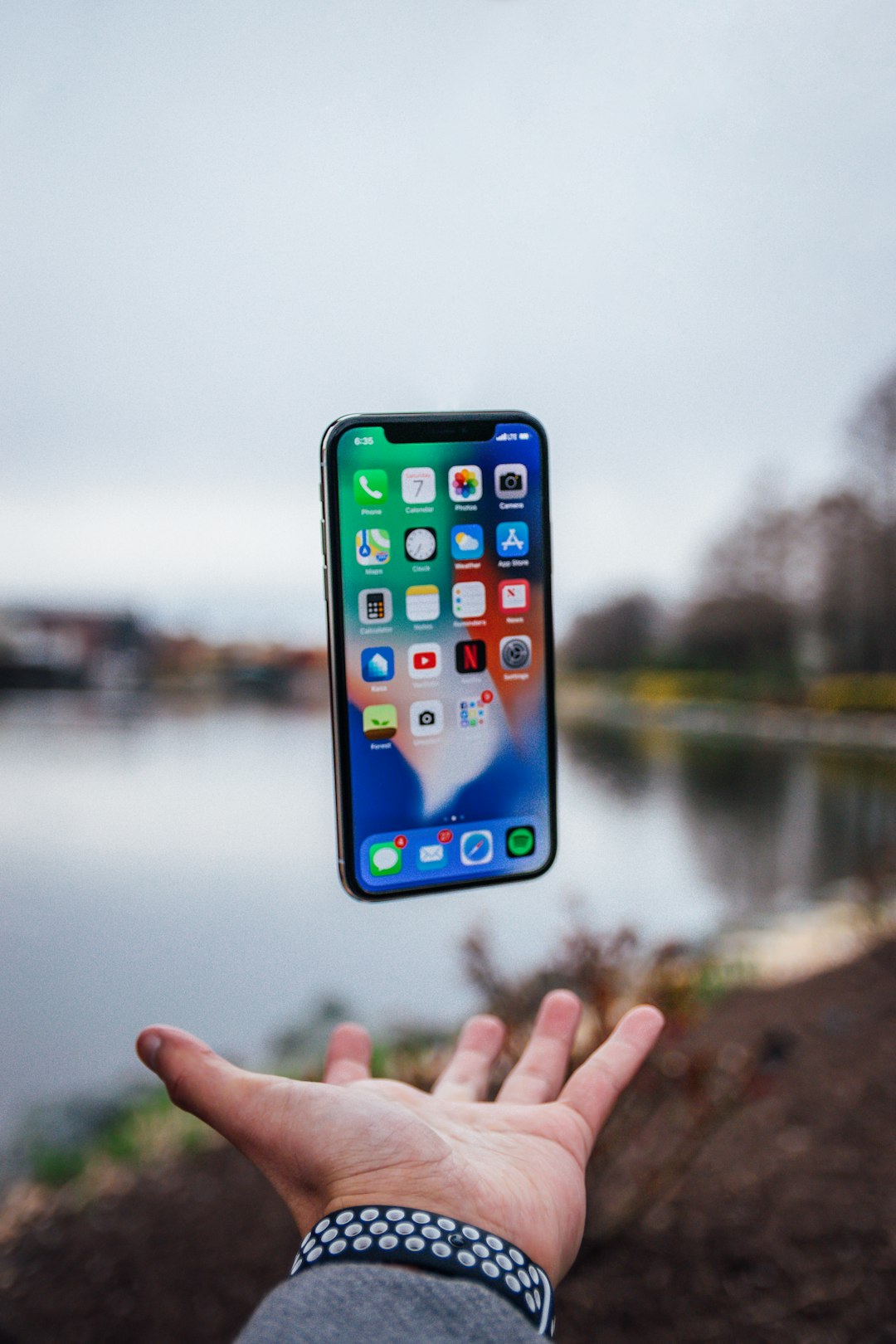
Robocalls have become a pervasive issue for many Camden, Delaware residents, with countless unsolicited calls flooding phone lines daily. These automated messages, often marketing or telemarketing in nature, can be particularly intrusive and frustrating. While some robocalls may promote legitimate businesses, many are considered illegal under the Do Not Call Laws, designed to protect consumers from unwanted contact. Delaware law, enforced by the Attorney General's office, mirrors federal regulations, empowering residents to take action against these nuisance calls.
The Telephone Consumer Protection Act (TCPA) and similar state laws provide several rights to Delaware residents, including the right to register for the National Do Not Call Registry and the right to sue for damages in the case of illegal robocalls. By registering your number on the national list, you assert your preference not to receive telemarketing calls, and it's a crucial first step in combating unwanted calls. Unfortunately, even with registration, some callers may still target residents through what is known as "pre-recorded messages," which require different legal strategies to address. A Do Not Call Attorney Delaware can guide individuals on how to navigate these complex laws and explore options for seeking relief, such as filing a complaint with the Federal Communications Commission (FCC) or pursuing legal action against persistent violators.
To stop robocalls effectively, Camden residents should consider implementing multiple strategies. Using call-blocking apps and hardware filters can significantly reduce the volume of unwanted calls. Additionally, reviewing call logs regularly to identify recurring offenders allows for targeted blocking. Reporting these callers to your phone service provider and the FCC is another powerful step, as it helps build a case against malicious robocallers. By combining these practical measures with legal knowledge from a qualified Do Not Call Attorney Delaware, residents can reclaim control over their communication channels and find lasting solutions to this pervasive modern problem.
Seeking Legal Help: Consulting a Do Not Call Attorney Delaware

If you're a Camden, Delaware resident tired of unwanted robocalls and sales pitches, understanding your rights under Do Not Call laws is crucial. While federal and state regulations offer protection, navigating these legal frameworks can be complex. This is where seeking legal help from a specialized Do Not Call Attorney Delaware becomes invaluable.
A Do Not Call Attorney Delaware can provide expert guidance tailored to Delaware's specific laws. These attorneys are equipped to assist you in several ways. For instance, they can help you register your number on the National Do Not Call Registry, a vital step to halt most robocalls. They can also advise on enforcing your rights when companies ignore or violate the registry. In 2021, the Federal Trade Commission (FTC) received over 27,000 complaints about robocalls, highlighting the persistent problem and the need for individual action.
Moreover, a Do Not Call Attorney Delaware can represent you in legal proceedings if your rights are blatantly violated. They can help craft cease-and-desist letters or even file lawsuits against repeat offenders. Such actions not only protect you but also send a message to other companies, potentially deterring future violations. Remember, while Do Not Call laws offer a robust framework, enforcement requires proactive individuals armed with legal expertise. Don't hesitate to consult a specialist who can empower you to reclaim your communication channels from unwanted intrusions.